Blog
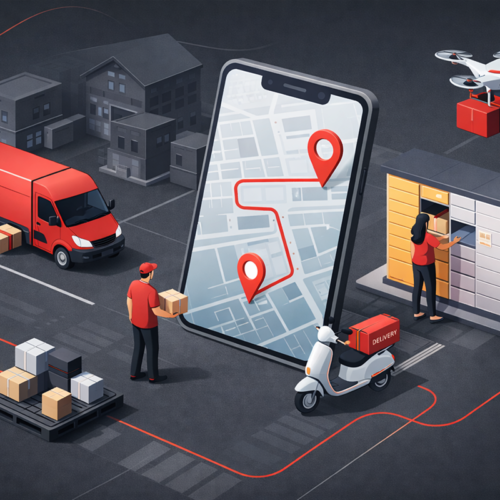
What is last-mile delivery?
When it comes to modern logistics, the term “last-mile delivery” is becoming increasingly common. Many people wonder what it is and why there’s so much talk about it.
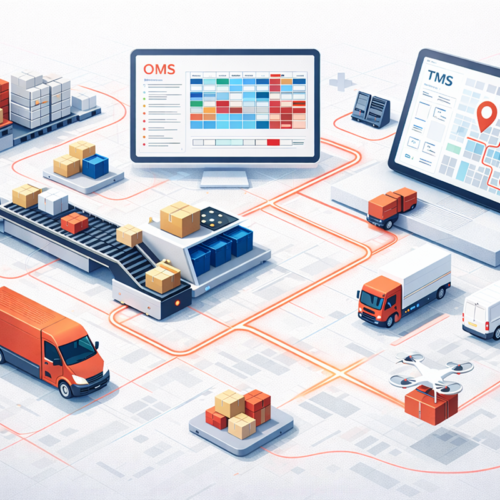
Optimization of Logistics Business Processes
Logistics is a critical aspect of modern business. Today, it involves not only moving goods from point A to point B, but also a whole range of activities, including receiving goods, storing them, picking, sorting, shipping, and delivering them.

How a belt conveyor works
Moving goods from point A to point B at a constant speed without human intervention at any stage is a task that can be easily accomplished using a belt conveyor. It is a simple, continuous-action conveying device.

Warehouse accounting: automation and control
In any retail, manufacturing, or distribution business, inventory management is one of the key links in the supply chain. Much depends on how accurately and precisely inventory is tracked: efficiency of warehouse operations; minimization of losses; order processing speed; level of customer service.
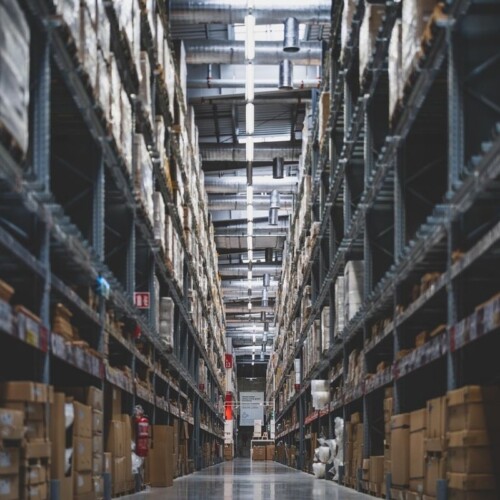
How to manage a warehouse? Instructions on how to organize a warehouse from scratch
How to Properly Organize Warehouse Operations Proper warehouse organization is essential to ensure smooth inventory management, shipping, and delivery. Thoughtful planning of warehouse operations allows for: faster and more accurate management; reduced risk of accidents and injuries; a productive and safe working environment; waste elimination and minimized product damage; lower labor costs through optimized processes and resource savings.

What is a TMS system
What is a TMS and why is it important? A TMS (Transport Management System) is a software solution for automating transportation management. It helps plan, optimize, and monitor transport operations.

What is an OMS system
What is an Order Management System (OMS)? An OMS is a digital platform designed to automate order processing by consolidating data on purchases, warehouse stock, logistics, and payments. It helps businesses manage sales efficiently.
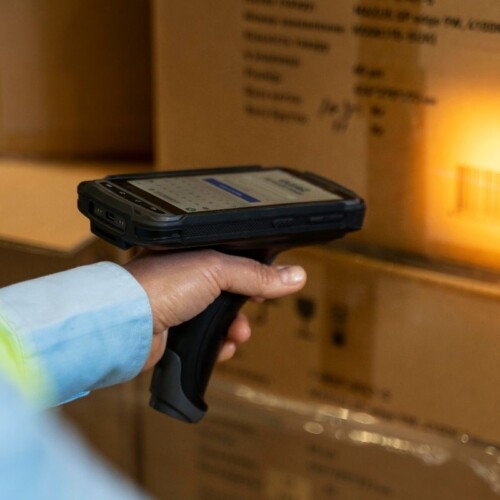
How to start warehouse automation?
Key Stages of Warehouse Automation In a fast-changing logistics landscape—where customer demands shift rapidly, cargo volumes increase, and product assortments expand—modern and, most importantly, flexible warehousing becomes essential. To remain competitive and profitable, companies must regularly review their warehouse infrastructure, layouts, and workflows, and adapt accordingly.
 Україна
 Great Britain
 Česká republika
 Қазақстан
 Deutschland
 Polska
 Oʻzbekiston
 Тоҷикистон
 España
 Argentina
 México
 Perú
Perú